Colombia’s Caribbean Coast, or la Costa del caribe colombiano, is a magical place. In 2 weeks, we started our journey in the city of Cartagena de Indias and made our way to Parque Tayrona and further to La Guajira which borders with Venezuela. While we kept the Caribbean ocean on one side, we crossed imposing mountains and lush jungles before finally arriving in the desert.
For fans of Gabriel García Márquez, Cartagena de Indias is a must-see. Gabriel García Márquez, Colombia’s most famous writer and storyteller is the creator of the literary style realismo mágico (magical realism)- an artistic movement born in Latin America in which the rational world coexists with magical elements. His books marked my adolescence and filled my holidays on the beach. While reading one of his most beautiful novels, El Amor en los Tiempos del Cólera (Love in the Time of Cholera), he was able to transport me to Cartagena de Indias by describing every little detail of the city – humidity and heat included. So when I arrive in Cartagena, I had the feeling I had already been there in a way.

Cartagena de Indias was founded in 1533 by the Spaniards and was a major trading port throughout the 16th century and often attacked by the French and English – most famously, it was under siege by the notorious pirate Sir Francis Drake who threatened to blow up the city’s cathedral if he was not paid the demanded ransom (he was and the cathedral still stands). Today it has grown to be the 5th largest Colombian city with approx. 1 million inhabitants. One of the city’s neighbourhoods and the most modern part of the city, Bocagrande, is like a small version of Miami. But within the colonial city walls, the city’s downtown and historic center has been kept and restored to retain its colonial charm.
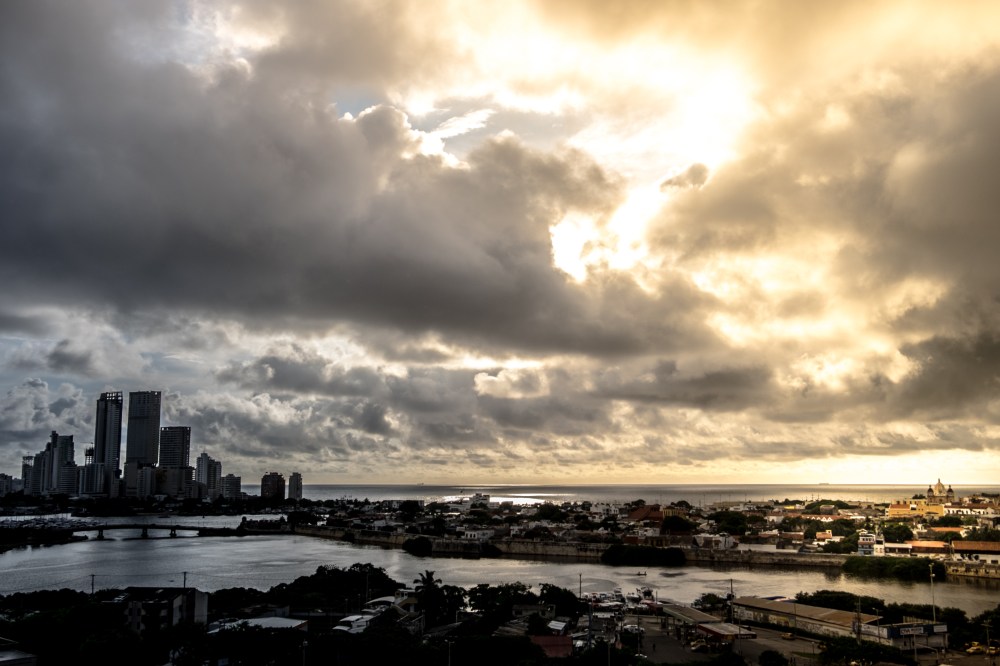

We stayed in the historic center in Casa San Agustin. Casa San Agustin is a small boutique hotel composed of 3 joined together colonial houses, beautifully restored and decorated. There are palms everywhere and the pool which is located in the middle of the hotel offers a little refreshment in the humid heat of Cartagena. In Cartagena, you can spend from merely a weekend to a couple of weeks discovering all the city has to offer. We opted for a relaxed approach. Due to the heavy rains during the days we visited, we were not able to do an excursion to the nearby famous islands, Las Islas del Rosario. But this gave us time to really enjoy the city and discover all its hidden gems.
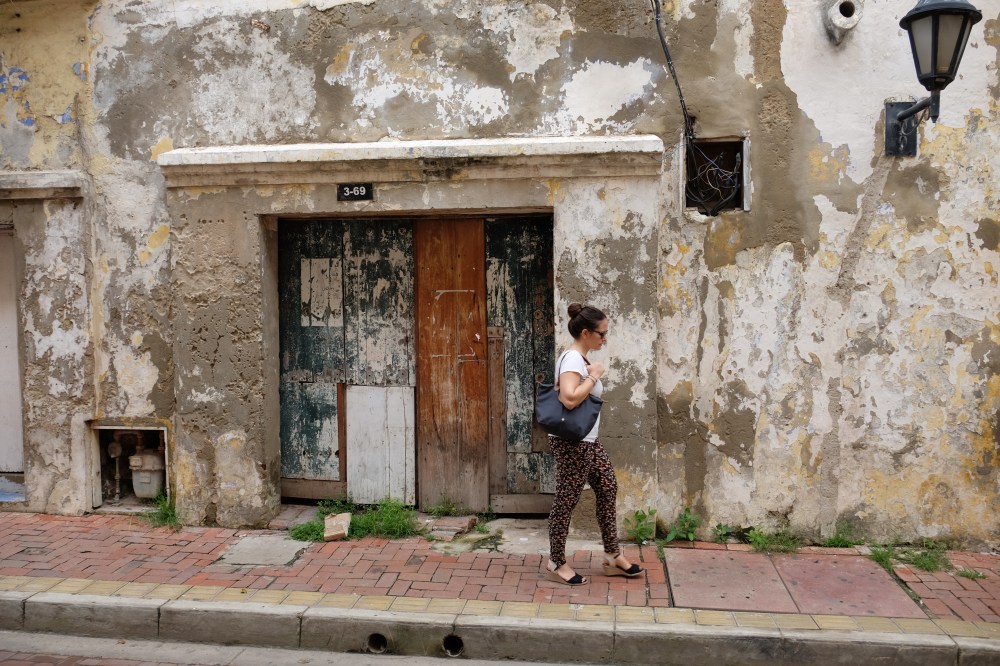
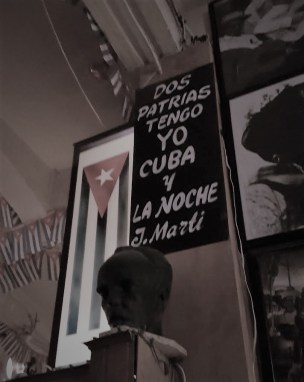
We spent our days visiting the city during the morning and very late afternoons. During and after midday, the hotel was a nice refuge from the heat and once in a while we enjoyed an afternoon siesta and got ready to enjoy the evening. Cartagena is a city where you want to and should go out every night – there are many restaurants and bars around town (our favourite is Alma). Many offer live music which coupled with lots of cheerful and dance-crazy people (among which many are tourists, admittedly) infused us with the long sought-after Caribbean feeling. This of course fitted perfectly with the romantic view and expectations I had for Cartagena. And speaking of nightlife, our personal highlight was definitely our night out in Café Havana in the neigbourhood of Getsemaní. This live music bar is frequented by locals and tourists alike. That night a band was playing Cuban salsa and the place was crowded, hot and loud. Once you managed to get a place inside the crowd, squeezed between the stage and tables, you couldn’t help but dance! I felt a bit like in the movie Dirty Dancing: Havana Nights.

After the very relaxing days in Cartagena, we set out for some adventure. So we packed our backpacks and made ourselves on the way to Parque Tayrona. After a more than 6-hour drive passing by, among others, Baranquilla and Santa Marta, we arrived at Maloka Cabin in Finca Barlovento. Finca Barlovento is located outside of the Tayrona National Park but only a 5-minute drive from El Zaino, the park’s east entrance. The finca consists of the Maloka cabin, a recently built cabin with en suite bathrooms and beautiful views from the river (where we stayed) – and the Cabaña, an architectural gem built in the 1970’s by Colombian architect Simon Velez on top of the rocks where the river meets the ocean. In the Cabaña you can practically sleep above the crashing waves – stunning!

Dinner at Maloka is served at a big table where you dine with all the other guests staying in the cabin. On our first night we enjoyed a nightcap with other guest from England, Colombia/USA and Palestine. One of the couples had done the 4-day trek to Ciudad Perdida (literally lost city, a Tayrona archaeological site in the mountains which can only be accessed by foot). For a moment we regretted that we didn’t plan enough time to do this trek as well, but that night the girl told us that she was still recovering from all the mosquito bites which had even caused her foot to swell up to twice its normal size (!). So I was actually somewhat relieved we didn’t, but it definitely sounds like quite and adventure for next time (with enough mosquito repellent for me).
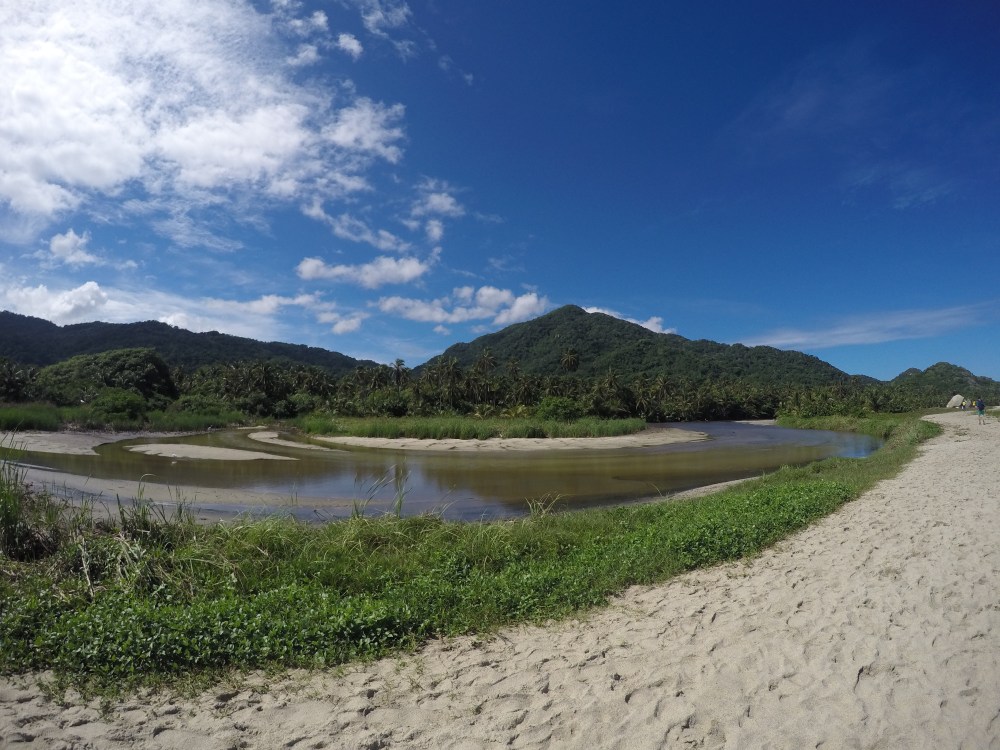
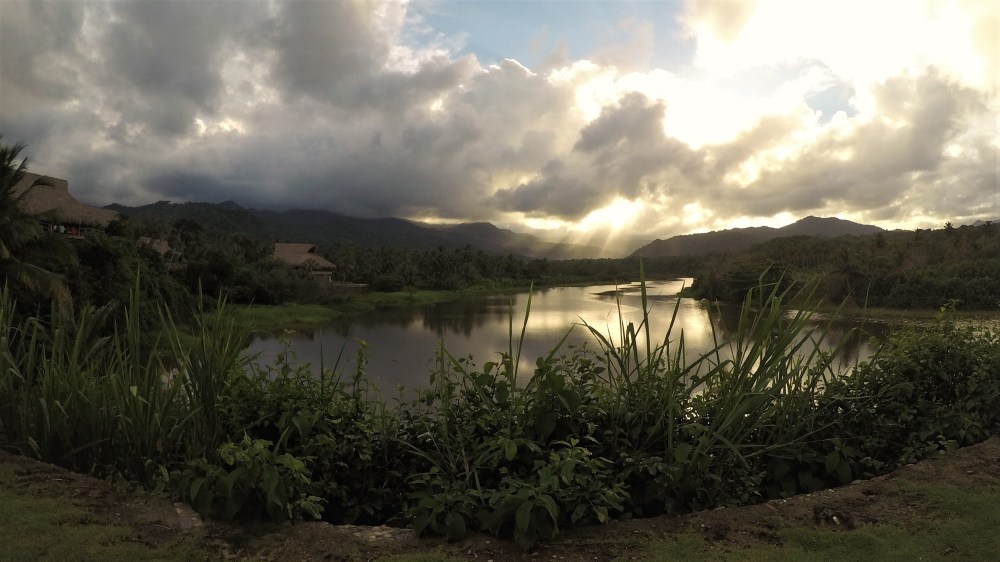
We visited the Tayrona National Park in one day. The park is one of the most visited in Colombia and I could see why. The setting is beautiful – lush jungle on the one side and the Caribbean sea on the other side. The park covers 225 km² and is rich in flora and fauna due to its many different ecosystems such as mangrove wetlands, lush jungle forest and the coral reef. After a trek through the jungle and around the giant egg-like rocks, all we wanted to do is jump into the refreshing-looking sea only to find out that it’s not allowed due to the strong underwater currents. If you want to swim in Tayrona, you have to work for it. We walked approximately another hour through more jungle and lots of mud until we reached La Piscina beach (Swimming pool beach), a lagoon protected by the coral reef where you can finally enjoy that refreshing dip in the water. When we arrived back at Finca Barlovento, tired and covered in a disgusting mixture of sweat, sea salt, mosquito repellent and sun cream, the view and sundown over the Río Piedras at Finca Barlovento was a stunning final reward.
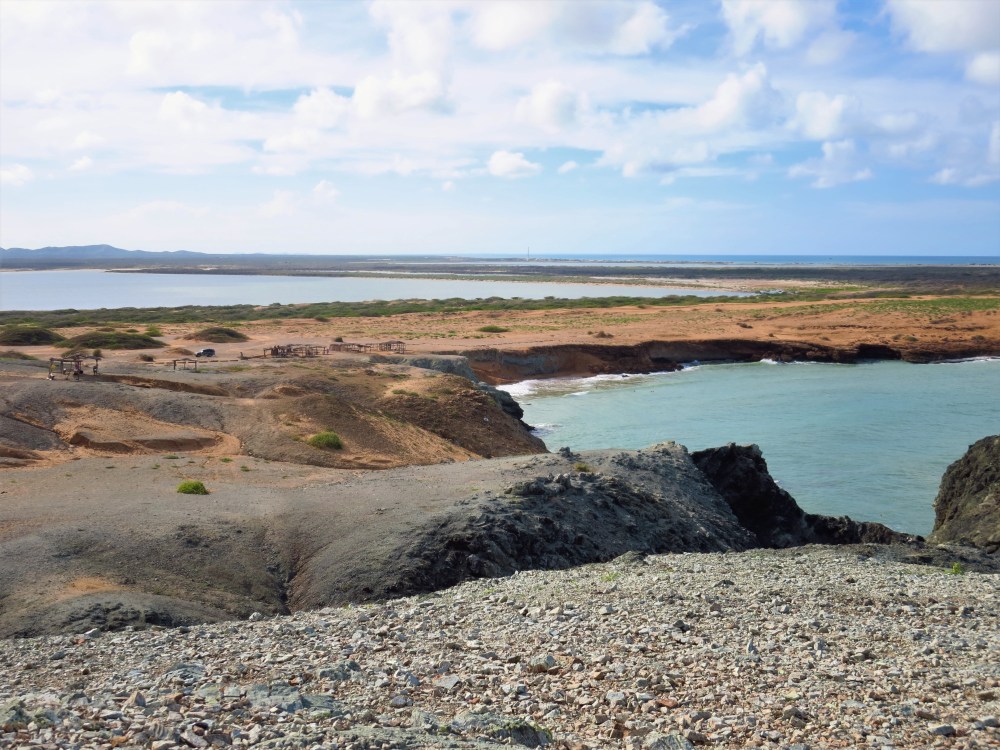
After Parque Tayrona, we had different options on how to continue our trip in Colombia and after some research and hard thinking, we decided to visit La Guajira. La Guajira is the department bordering Venezuela in the country’s northeast. Our original wish was to head to Punta Gallinas, a 3-day trip to the the most northern point of the Guajira Pensisula and of South America. But due to the heavy rains from the days before, parts of the desert roads were flooded. Instead, we took a shorter 2-day trip to Cabo de la Vela, a popular ecotourism and kite-surfing destination. We left from Riohacha (the capital and only big city in La Guajira) with our local guide Javier and his 4×4 SUV. There are different ways to get to the desert, be it multiple bus changes and on the back of a 4×4 pickup, but we opted for the most independent and less dusty one with Javier, who whatever reason knew everybody on the roads of La Guajira. Throughout the approx. 4-hour bumpy journey you can see the plants and landscape change from a dry green to complete red-orange rocky desert. Once we arrived at Cabo de la Vela, Javier took us straight to Piedra Tortuga to watch the sunset where we could enjoy it without one single person around. The only “others” were the annoying mosquitoes which came as soon as the wind didn’t almost swept you away.

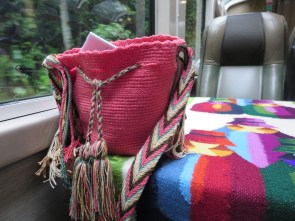
La Guajira is considered the driest and most remote region in Colombia, and also the poorest. These northerly lands are mainly inhabited by the Wayuu, the largest indigenous community in Colombia and Venezuela. The Wayuu were renown as fierce warriors who could not be conquered by the Spanish, but throughout Colombia they are now mostly known for their handicrafts such as their hand-woven mochilas (colorfoul bags) and chincheros (large hammocks). Besides the income from ecotourism, the sale of their goats and their handicrafts, another source of income for some Wayuu seems to be the illegal trade with petrol coming from Venezuela. However, “illegal trade” doesn’t seam too illegal here, since we saw many small stands with pet bottles filled with the orange liquid throughout our journey and even a “gas station” in Uribia (one dusty and not so pretty town). According to our little research, the cost per gallon in La Guajira is about $1.30; further away from the Venezuelan border, the price per gallon in the rest of Colombia is 4 times as high.


The Wayuu live in so called rancherías, a settlement composed by up to five to six houses/huts. Water is scarce here, so you can see a ranchería from afar by spotting the water tank towers. In Cabo de la Vela we slept at Ranchería Utta, a pretty and clean complex which is as simple as it gets with a roof over your head. It has a choice of basic rooms and open sea-facing huts with up to 5 chincheros (the local colorful hammocks) each. Since the mosquitoes were feisty that night, we had to opt out of sleeping on the chinchero and “upgraded” to a room.
Besides a couple of kite-surfers, there weren’t many tourist in Cabo de la Vela when we were there at the beginning of November. Thanks to this, we were practically alone and had the beach and all the sights to ourselves. A final hike to the Pilón de Azúcar concluded our trip before we headed back to Riohacha.
Taking this trip to La Guajira was a good call – this part of Colombia is like nothing we’ve seen before. It’s dry and rough, but it’s beautiful and magical – just as the rest of Colombia’s beautiful Caribbean Coast.
 Indiana Juana